
Alzheimer’s & Brain Awareness
Alzheimers Disease (AD) is named after Alois Alzheimer a German Psychiatrist in 1906. AD accounts for nearly 70% of the cases with dementia. Said to be the 7th leading cause of death, dementia is a major contributor of disabilities and dependencies amongst the elderly. Often over looked as part of the typical aging process as progression is generally slow and goes unnoticed in its formation.
AD a form of dementia (DSM-5; renamed, “Major Neurocognitive Disorder” “NCD”) has a clinical criteria signified by a persistent gradual progression of cognitive decline that compromises social or occupational processes. It is said that life expectancy is around 3 to 9 years after a “likely diagnosis” has been made. Severity is held within 3 classes; mild, moderate & severe, an -ε4 alleles variant has been correlated to “Late-onset Sporadic” AD. Currently over 55 million people world wide are coping with Alzheimer’s
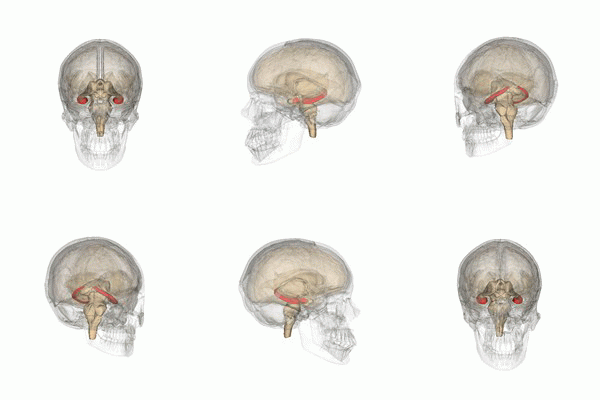
Hippocampi
AD petrifies the seahorse, which is a melancholic, choleric type imbalance affecting the emotional brain aka limbic sys of the temporal lobe in the sub-cortical hippocampus resulting in potential, short term memory loss, inattentiveness, issues with planning, scheduling, and conceptualization. Disorientation, confusion, apathy, depression, apraxia, drifting, and irritability are also some associations. Aside of AD, when the brain (in this case the hippocampus) doesn’t receive enough oxygen (Hypoxia), cognitive function is significantly inhibited as well.
Please, do not under value these dry points, it can be very difficult for all parties evolved. It is heart breaking to have to experience these things first hand. Though these dry points will carry on, please for yourself and your kin, do your best to take care.
Currently from a western medical prospective, other than cognitive screening, imaging, and blood results, no positive diagnostic tests are available. On top of that, the cause of AD is not readily recognized. Though diet, lifestyle, environment, injury, and constitution are postulated in AD occurrence.
Apolipoprotein -ε4 alleles
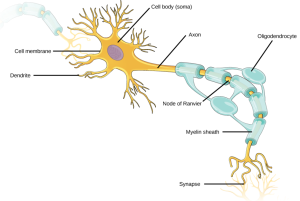
Apolipoproteins (Apo) are involved in transporting Lipoproteins to the cells of the brain. These Apo interact with the CNS (neural) receptors involved with cholesterol (triglyceride) breakdown (proteolytic catabolism) which regulates fatty acid and glucose (nutrient) balance. An Apo subclass (-ε4 alleles, in particular) interacts with amyloid, while amyloids happily participate in melanin formation (dermal (skin) pigmentation), hormone storage, and reception (serine, threonine) transfer. It has been theorized that the -ε4 allele variant is inefficient with this breakdown in turn calcifies, (just like Atherosclerosis, which Apolipoprotiens are involved) the neural junction. Intern rectifying the hypothesis of amyloid plaque buildup, impeding neural synapse.
Onset
Most are classified with this type of cognitive decline around their mid 60’s, though early-onset may potentially start around our 30’s, it is said that nouns are the first to go.
Intervention
Within the confines of current western medical treatments, there is no course of action to reverse or even stop progression. While unlike the confinements of allopathic medicine, other traditions have seen exceptional success in supporting cognitive function.
Dietary Involvement
Supporting cognitive function begins at the mouth, clearly the former illustrates how lipoproteins, particularly (red meat, fried products, butter, etc) ones low in density potentially contribute to AD or more precisely calcification of brain cells. While simple sugars also produce high cholesterol, namely elevated triglycerides. The Apo-ε4, is involved in both hyperlipidemia and hypercholesterolemia.
Simple sugar (sucrose, fructose, glucose, dextrose, HFCS, etc) is a known inflammatory instigator. I was just reading a study about insulin resistance upon the brain cells and it ultimately revealed inflammation from fructose “diminished cognitive function” (HANE n.d)
Let’s not forget, breathing. Snoring with it’s wet, heavy nature is a sign of an impeded airway obstructing the flow of oxygen to the body including the brain, especially those with CPAP & BiPAP devices.
Those with a vata, choler, melancholic excess owning constant stress, have a tendency to unconsciously hold their breath. And let’s not forget all the “vapors” and smokers.
General Support
Outdoorsy fun exercises (& lots of H20), singing, Qi gong and other forms of rhythmic breathing serve well for those with an impeded respiratory system. While qi gong is also useful to those with elevated stress levels, just stepping away for a minute to catch the wind during the heat of the moment can also be really beneficial.
Naturally sourced amino acids such as Tryptophan found in sunflower seeds, chickpeas, and bananas support brain function, those bananas and chickpeas are also high in complex sugars thus aids in formation of the myelin (brain cell) sheath. It is National Fruits & Veggies month, both fruits & veggies are packed full of cognitive goodies (yes fruits have fatty acids).
EPA (Omega-3), DHA (Omega-3) found in fish (herring, halibut, mackerel, salmon, etc) nourish nervous system (brain) tissues. Linolenic Acids (Omega-3,-6) found in flaxseed, fenugreek, and olive also support balanced brain function.
Find yourself thinking,
“What was her name”, “Where did I put those keys”, “Anybody see where I set my phone”, “Did I shut the gate”????
Disclaimer
These statements have not been evaluated by the Food and Drug Administration. The educational information published on Herbalrestoration.net is purely for general education. Anything contained on Herbalrestoration.net is not intended to constitute, nor should it be construed, that it is medical advice. The publishers make no claims that the educational information displayed is fit for your medical needs. The information is not to be considered complete and should not be relied on to suggest a course of treatment for a particular illness or disease. Herbalrestoration encourages you to talk to your healthcare providers about any and all supplements, dietary and lifestyle adjustments. The information published on Herbalrestoration.net is not conclusive or exhaustive. The compilation of the information disclaims any and all warranties and liabilities related to the use of any of the information obtained from Herbalrestoration.net or its owners, publishers and authors. Herbalrestoration.net may include links to other websites. These links are provided for the users convenience. They do not signify that we endorse the website(s). We have no responsibility for the content of the linked website(s).
Brought to you from Herbal Restoration LLC, Written By Herbalist S. Reese. All Rights Reserved © 2026 Herbal Restoration LLC.
Alzheimer’s & Brain Awareness
Alzheimers Disease (AD) is named after Alois Alzheimer a German Psychiatrist in 1906. AD accounts for nearly 70% of the cases with dementia. Said to be the 7th leading cause of death, dementia is a major contributor of disabilities and dependencies amongst the elderly. Often over looked as part of the typical aging process as progression is generally slow and goes unnoticed in its formation.
AD a form of dementia (DSM-5; renamed, “Major Neurocognitive Disorder” “NCD”) has a clinical criteria signified by a persistent gradual progression of cognitive decline that compromises social or occupational processes. It is said that life expectancy is around 3 to 9 years after a “likely diagnosis” has been made. Severity is held within 3 classes; mild, moderate & severe, an -ε4 alleles variant has been correlated to “Late-onset Sporadic” AD. Currently over 55 million people world wide are coping with Alzheimer’s
Hippocampi
AD petrifies the seahorse, which is a melancholic, choleric type imbalance affecting the emotional brain aka limbic sys of the temporal lobe in the sub-cortical hippocampus resulting in potential, short term memory loss, inattentiveness, issues with planning, scheduling, and conceptualization. Disorientation, confusion, apathy, depression, apraxia, drifting, and irritability are also some associations. Aside of AD, when the brain (in this case the hippocampus) doesn’t receive enough oxygen (Hypoxia), cognitive function is significantly inhibited as well.
Please, do not under value these dry points, it can be very difficult for all parties evolved. It is heart breaking to have to experience these things first hand. Though these dry points will carry on, please for yourself and your kin, do your best to take care.
Currently from a western medical prospective, other than cognitive screening, imaging, and blood results, no positive diagnostic tests are available. On top of that, the cause of AD is not readily recognized. Though diet, lifestyle, environment, injury, and constitution are postulated in AD occurrence.
Apolipoprotein -ε4 alleles
Apolipoproteins (Apo) are involved in transporting Lipoproteins to the cells of the brain. These Apo interact with the CNS (neural) receptors involved with cholesterol (triglyceride) breakdown (proteolytic catabolism) which regulates fatty acid and glucose (nutrient) balance. An Apo subclass (-ε4 alleles, in particular) interacts with amyloid, while amyloids happily participate in melanin formation (dermal (skin) pigmentation), hormone storage, and reception (serine, threonine) transfer. It has been theorized that the -ε4 allele variant is inefficient with this breakdown in turn calcifies, (just like Atherosclerosis, which Apolipoprotiens are involved) the neural junction. Intern rectifying the hypothesis of amyloid plaque buildup, impeding neural synapse.
Onset
Most are classified with this type of cognitive decline around their mid 60’s, though early-onset may potentially start around our 30’s, it is said that nouns are the first to go.
Intervention
Within the confines of current western medical treatments, there is no course of action to reverse or even stop progression. While unlike the confinements of allopathic medicine, other traditions have seen exceptional success in supporting cognitive function.
Dietary Involvement
Supporting cognitive function begins at the mouth, clearly the former illustrates how lipoproteins, particularly (red meat, fried products, butter, etc) ones low in density potentially contribute to AD or more precisely calcification of brain cells. While simple sugars also produce high cholesterol, namely elevated triglycerides. The Apo-ε4, is involved in both hyperlipidemia and hypercholesterolemia.
Simple sugar (sucrose, fructose, glucose, dextrose, HFCS, etc) is a known inflammatory instigator. I was just reading a study about insulin resistance upon the brain cells and it ultimately revealed inflammation from fructose “diminished cognitive function” (HANE n.d)
Let’s not forget, breathing. Snoring with it’s wet, heavy nature is a sign of an impeded airway obstructing the flow of oxygen to the body including the brain, especially those with CPAP & BiPAP devices.
Those with a vata, choler, melancholic excess owning constant stress, have a tendency to unconsciously hold their breath. And let’s not forget all the “vapors” and smokers.
General Support
Outdoorsy fun exercises (& lots of H20), singing, Qi gong and other forms of rhythmic breathing serve well for those with an impeded respiratory system. While qi gong is also useful to those with elevated stress levels, just stepping away for a minute to catch the wind during the heat of the moment can also be really beneficial.
Naturally sourced amino acids such as Tryptophan found in sunflower seeds, chickpeas, and bananas support brain function, those bananas and chickpeas are also high in complex sugars thus aids in formation of the myelin (brain cell) sheath. It is National Fruits & Veggies month, both fruits & veggies are packed full of cognitive goodies (yes fruits have fatty acids).
EPA (Omega-3), DHA (Omega-3) found in fish (herring, halibut, mackerel, salmon, etc) nourish nervous system (brain) tissues. Linolenic Acids (Omega-3,-6) found in flaxseed, fenugreek, and olive also support balanced brain function.
Find yourself thinking;
“What was her name”
“Where did I put those keys”
“Anybody see where I set my phone”
“Did I shut the gate” ????
Disclaimer
These statements have not been evaluated by the Food and Drug Administration. The educational information published on Herbalrestoration.net is purely for general education. Anything contained on Herbalrestoration.net is not intended to constitute, nor should it be construed, that it is medical advice. The publishers make no claims that the educational information displayed is fit for your medical needs. The information is not to be considered complete and should not be relied on to suggest a course of treatment for a particular illness or disease. Herbalrestoration encourages you to talk to your healthcare providers about any and all supplements, dietary and lifestyle adjustments. The information published on Herbalrestoration.net is not conclusive or exhaustive. The compilation of the information disclaims any and all warranties and liabilities related to the use of any of the information obtained from Herbalrestoration.net or its owners, publishers and authors. Herbalrestoration.net may include links to other websites. These links are provided for the users convenience. They do not signify that we endorse the website(s). We have no responsibility for the content of the linked website(s).
Brought to you from Herbal Restoration LLC, Written By Herbalist S. Reese. All Rights Reserved © 2026 Herbal Restoration LLC.